

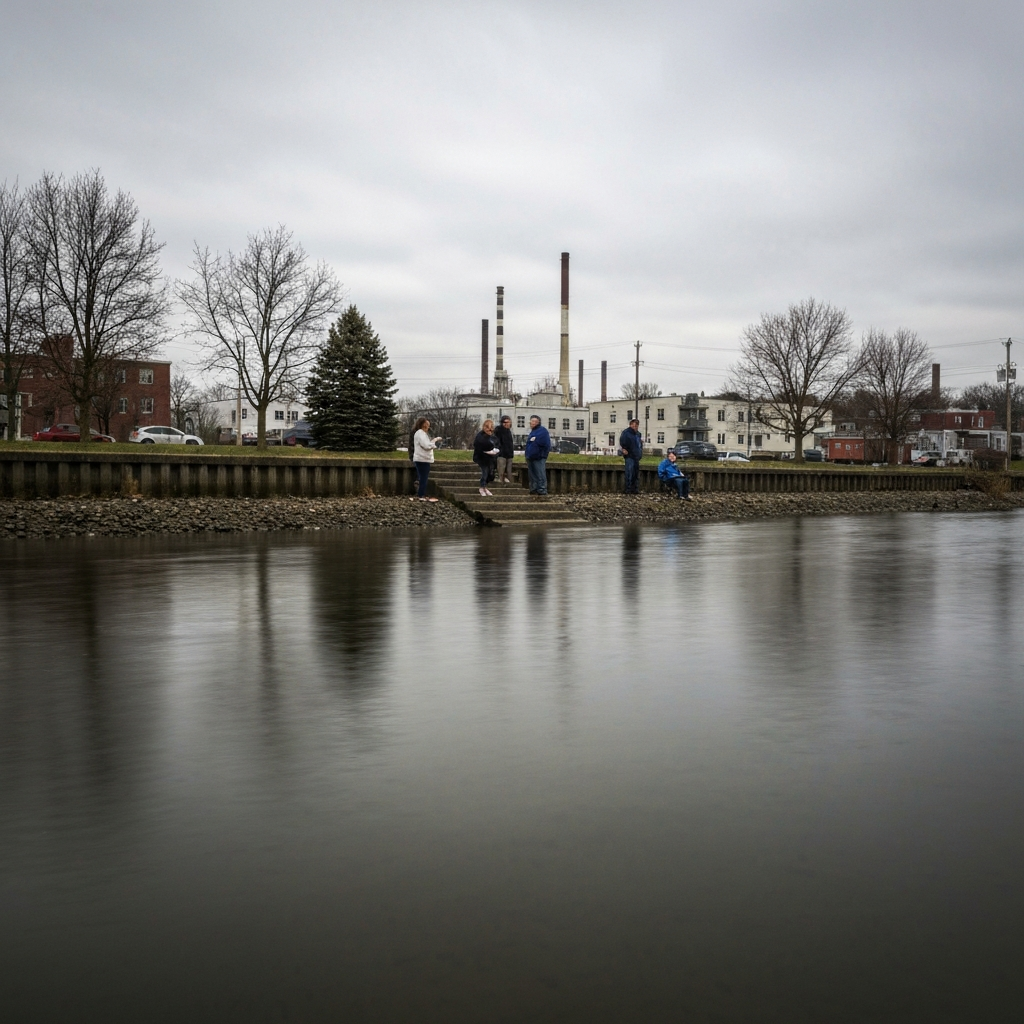
Water quality is a pressing concern for Norwalk residents, with several factors contributing to the current challenges. Among these are the presence of per- and polyfluoroalkyl substances (PFAS), sewage overflows, and pesticide usage.
PFAS Contamination
PFAS, a group of man-made chemicals used in various products, have been detected in Norwalk’s water supply. In 2018, the First Taxing District Water Department (FDWD) proactively tested for PFAS and found low levels, well below the Environmental Protection Agency’s Health Advisory level of 70 parts per trillion. Despite these low levels, the FDWD adopted operational rules to minimize the use of affected wells and continues to monitor for PFAS. Source
Sewage Overflows
Norwalk has experienced chronic sewage overflows, leading to the discharge of raw sewage into the Norwalk River, Five Mile River, and Long Island Sound. Despite administrative orders issued by the EPA in 2010 and 2017, these bypasses continue to occur, impacting both the environment and public health. Source
Pesticide and Fertilizer Use
The use of pesticides and over-fertilization on private lawns and public green spaces pose significant threats to water quality. Testing has shown the presence of 30 different pesticides in the Norwalk River. Efforts are underway to reduce pesticide levels in the environment, including advocacy for pesticide reform and promoting alternative lawn care practices. Source
Community Initiatives
In response to these challenges, Norwalk has implemented several initiatives. The Health Department collaborates with partners to monitor beach water during summer months, ensuring safety for swimming and shellfishing. Additionally, the city provides staff support for the Mayor’s Water Quality Committee and the Shellfish Commission, aiming to address and mitigate water quality issues. Source
Residents are encouraged to stay informed and participate in community efforts to improve water quality, ensuring a healthier environment for all.