

By Sophia Nguyen
Voices From the Community
At recent forums organized by Mayor Smyth’s administration and the Norwalk Redevelopment Agency, long-time and newer residents gathered to share their concerns and hopes about the city’s trajectory. While many praised Norwalk’s strides in infrastructure and amenities, recurring themes emerged around affordability, the impact of rapid development, and preserving neighborhood character. These dialogues aren’t one-off—but integral to understanding the challenges facing Norwalk today. This reflection is based on the summary published after the 2026 listening sessions.
Housing Affordability and Accessibility
As new mixed-use developments and modern schools get built, many families, seniors, and young adults feel squeezed by rising housing costs. Affordability repeatedly came up in the discussions—not just as a matter of rent, but about staying in Norwalk long-term without sacrificing quality or location. Residents worry that without thoughtful policy, long-time neighbors may be priced out.
Scale, Pace, and Neighborhood Character
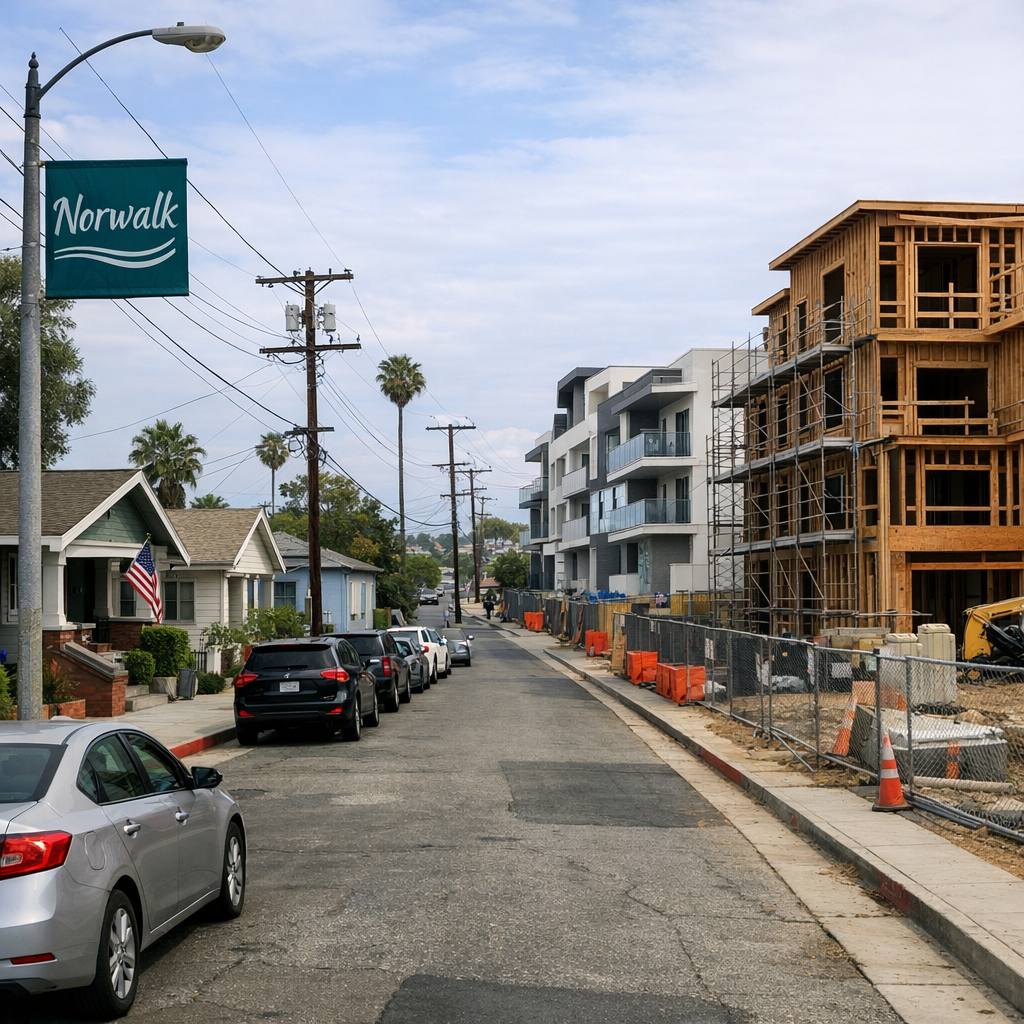
People raised concerns about how fast development is happening, especially in South Norwalk, East Avenue, and other transit-oriented zones. While growth can bring needed investment, some worry it’s arriving without enough regard for existing street patterns, architectural styles, and green space. There’s a strong desire to retain the small-block feel of many neighborhoods even as density increases.
Transparency and Zoning Decisions
Another consistent theme: many want clearer communication from the Planning & Zoning Commission and City Hall about what’s proposed, when, and how decisions get made. Zoning emerged as a pivotal lever shaping what neighborhoods look like and how they function, particularly in relation to development pressure and infrastructure capacity.
City Initiatives at Play
Norwalk is already undertaking several projects aimed at managing growth and improving infrastructure. The Wall Street District Improvement Project (Phase 1A) is adding ADA-compliant sidewalks, raised crosswalks, and significant streetscape upgrades. This project helps both safety and commerce in one of Norwalk’s oldest zones.
Meanwhile, school construction efforts—like the new Norwalk High School / P-TECH campus and new South Norwalk and Cranbury elementary schools—are under development to accommodate the increasing number of students in modern facilities. These are large investments but raise questions about how growth is mapped onto neighborhood and transit planning.
Greenspace, trail development, and waterfront access are also on the table—Norwalk Redevelopment Agency is working on the Harbor Loop Trail and SoNo Wharf to connect neighborhoods, enhance recreation, and bring access to waterfronts.
Tensions and Trade-Offs
The growth Norwalk is experiencing brings inevitable trade-offs. Expanded development often demands upgrades in roads, traffic management, utilities, and public services. Some residents report that infrastructure seems a step behind construction—sidewalks, parking, and road quality issues persist in areas seeing new buildings.
Similarly, as areas like East Norwalk and the Wall Street district densify, local leaders face the delicate task of responding to demand without losing the qualities that many say made Norwalk a place worth living in. Balancing architectural heritage, street scale, and neighborhood feel with the need for more housing and modern amenities is an ongoing negotiation.
What Residents Want Ahead
- Stronger engagement before major zoning or development decisions—more accessible forums, clearer visual plans, early input.
- Policies that prioritize mixed-income housing and protections for renters and long-term owners.
- Preservation of green space and pedestrian-friendly design; more attention to walkability, shade trees, and public plazas.
- Alignment between infrastructure upgrades (roads, sidewalks, public transit) and the pace of development.
- Design guidelines or neighborhood-based zoning planning to ensure new development complements existing character.
Looking Forward
Norwalk’s Citywide Plan, adopted through 2029, offers a framework for sustainable growth: integrating greenspace, managing impervious surfaces to improve water quality, planning transit-oriented neighborhoods, and aligning infrastructure with projected demand. These policies provide tools—but what many residents emphasize is ensuring lived experiences are part of decision-making—not just plans on paper.
Growth, in many ways, is inevitable. But what kind of growth Norwalk chooses to embrace will define whether the city’s future honors its past, supports all its residents, and becomes more livable—not just larger.