

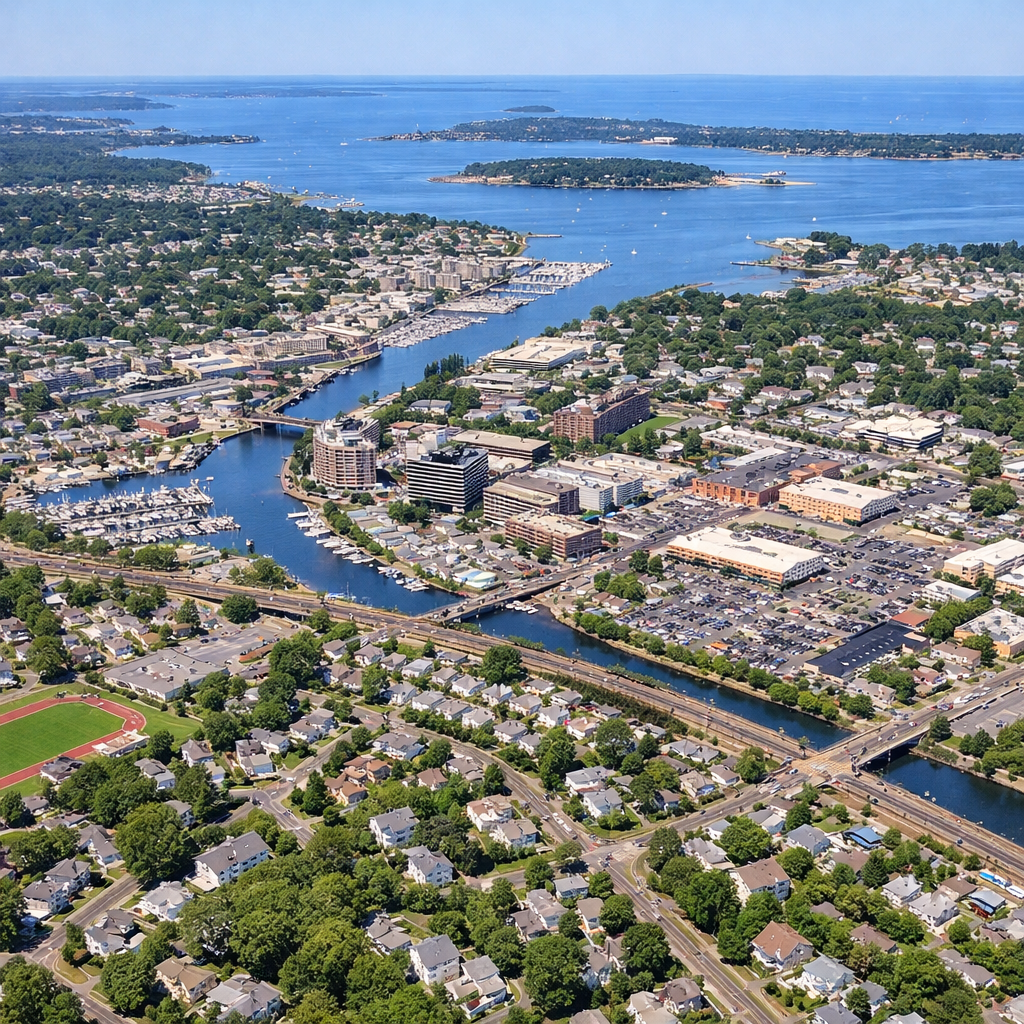
National economic policies, including federal funding initiatives and economic development programs, play a significant role in shaping the economic landscape of local communities like Norwalk, Connecticut. Understanding these impacts is crucial for residents and local businesses aiming to navigate and leverage these policies effectively.
Federal Funding and Local Development
Federal programs have been instrumental in supporting Norwalk’s economic growth. For instance, the American Rescue Plan Act (ARPA) allocated substantial funds to the city, aiding in various development projects and providing relief during challenging economic times. In 2024, Norwalk received an additional $5 million in federal ARPA funding, bringing the city’s total state funding to $32.6 million for that year. This funding has been pivotal in alleviating property tax burdens and supporting local initiatives.
Infrastructure and Housing Initiatives
Federal grants have also facilitated significant infrastructure and housing projects in Norwalk. The Choice Neighborhoods Initiative (CNI) is a prime example, focusing on transforming the Washington Village public housing development into a mixed-income community. This project aims to enhance housing quality and stimulate further public and private investment in the South Norwalk neighborhood.
Support for Small Businesses
National economic policies often include provisions to support small businesses, which are vital to Norwalk’s economy. The city’s Business Development and Tourism Department has utilized federal funds to assist entrepreneurs and business owners through programs like the Norwalk Business Development Center and various grant initiatives. These efforts aim to foster a business-friendly environment and promote economic growth within the community.
Challenges and Considerations
While federal policies provide opportunities, they also present challenges. For example, the rising property values and increased demand for housing have led to affordability issues for some residents. The Norwalk Affordable Housing Plan highlights that 40% of city residents are cost-burdened, spending more than 30% of their income on housing. Addressing these challenges requires a balanced approach that considers both economic development and the well-being of all community members.
In conclusion, national economic policies significantly influence Norwalk’s local economy, affecting everything from infrastructure development to small business support and housing affordability. Staying informed about these policies and actively participating in local planning can help residents and businesses maximize the benefits while mitigating potential challenges.